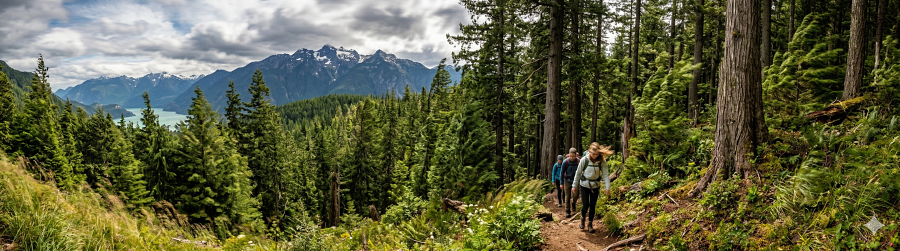
Spring in British Columbia is stunning, but for millions, the blooming landscape signifies the start of a difficult annual battle against hay fever. While we often think of allergies as an outdoor annoyance, the uncomfortable reality is that our homes are not sealed fortresses. When pollen counts are high, it sneaks in through open windows, rides in on our clothes, and hitchhikes on our pets.
Part 1: Know Your Enemy: The BC Pollen Calendar
In the Lower Mainland and across British Columbia, allergy season isn’t a single, generic event. It arrives in three distinct, predictable waves. Understanding these cycles allows you to time your mitigation strategies perfectly.
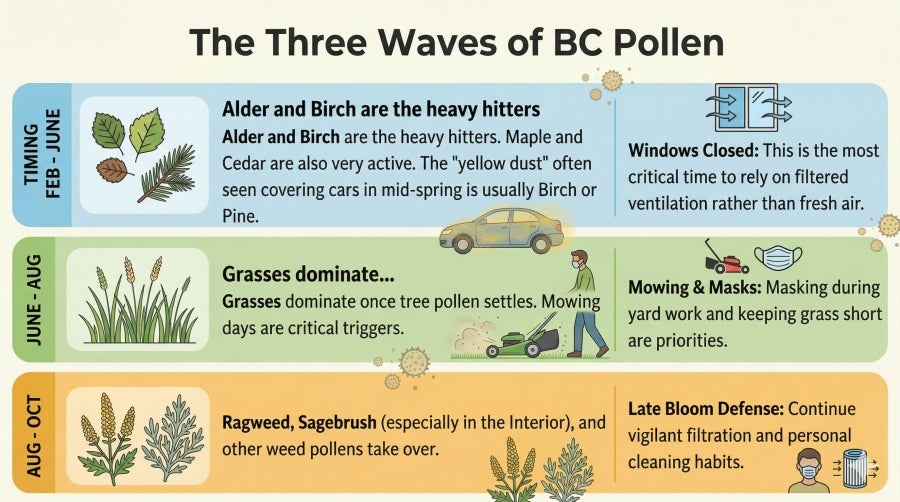
Pro Tip: Your local environment dictates your exposure. A rainy day is often the best time to go outside because the rain physically "washes" the pollen out of the air. The most critical pollen alerts are triggered by warm, dry, and windy days, which allow microscopic particles to stay airborne and travel long distances.
Part 2: Are You Sure It’s a Cold? Symptoms to Watch For
Pollen allergies are more than just a minor inconvenience; they significantly impact your sleep, energy levels, productivity, and physical appearance. It is easy to misdiagnose hay fever, especially if your symptoms aren't the classic "sneezing fit." Be proactive if you or your family members experience these signs:
- The Classic: An incessantly runny or stuffy nose, incredibly itchy and watering eyes, and frequent sneezing fits.
- The Hidden: Look for "allergic shiners" (dark circles under the eyes caused by chronic sinus congestion), unexplained fatigue (resulting from poor sleep quality), and a persistent, "scratchy" or irritated throat that people often mistake for a mild, lingering cold.
Part 3: Layer 1 Defense – Personal Habits and "Pollen Armor"
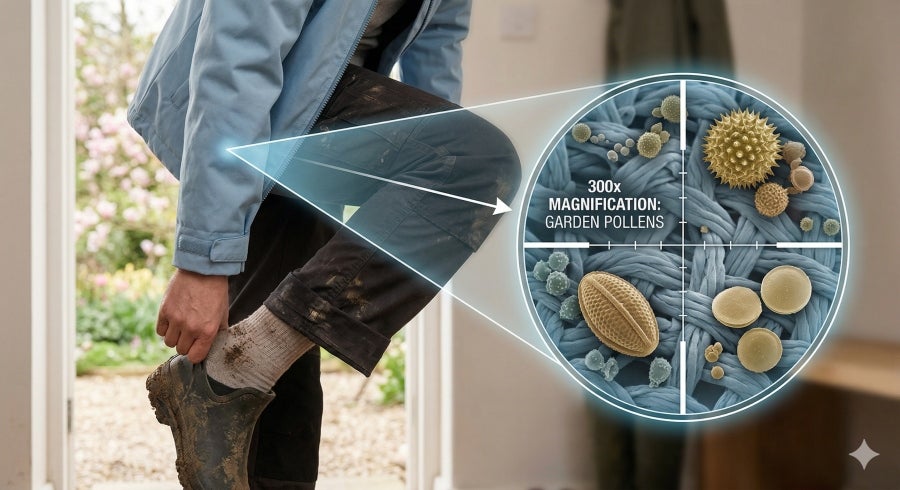
The moment you step outside, you become a high-efficiency collector of microscopic allergens. Effective pollen management starts before you even re-enter your living space.
The "Mudroom" Strategy and Clothing Hygiene
Treat pollen like radioactive fallout. Establishing a strict "decompression" routine is essential.
- Remove Shoes and Outerwear: Create a designated area, like a mudroom or entryway, to leave your "outside" shoes. If possible, shed outer "outside" layers (jackets, sweaters) immediately.
- No Contamination Zones: Never, ever sit on soft furniture (sofas, armchairs) or lie on your bed in clothes you have worn outdoors to the garden, park, or on public transit. You are directly transferring a concentrated dose of allergens to the surfaces where you relax and sleep.
In allergy management, your hair is essentially a giant "Swiffer drape." Because many pollen grains have microscopic barbs or sticky surfaces, and our hair often retains natural oils or styling products (hairspray, gel, wax), it forms the perfect trap for airborne allergens. This creates two distinct problems:
- The Pillowcase Transfer: This is the single biggest issue with unwashed hair. You spend eight hours rolling your face directly in a concentrated pile of allergens that you "imported" during the day.
- The "Shadow" Effect: Hair hangs over your forehead and face, meaning every time you move or a breeze blows, you are actively shaking pollen into your eyes and nose.
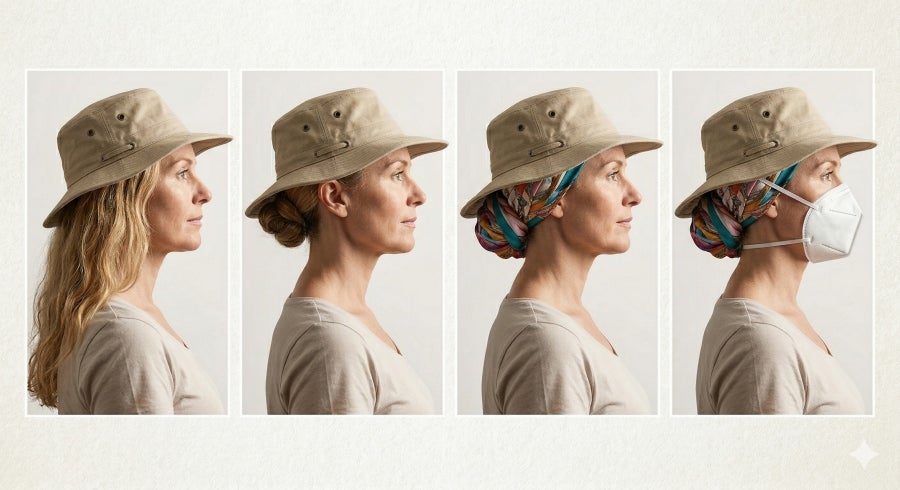
- Hats are Key: A wide-brimmed hat or simple baseball cap acts as a literal physical shield, keeping the "pollen rain" from landing on your scalp.
- Tie It Back: If you have long hair, keeping it in a secure bun or braid significantly reduces the surface area available for pollen to stick to.
- The "Silk Scarf" Trick: For high-pollen days, wrap your hair smoothly in a lightweight silk scarf or "buff." It is easy to peel off as soon as you step inside, ensuring the allergens remain outdoors.
If you cannot wear head protection outdoors, you must rinse your hair before bed. Even a quick water-only rinse is acceptable, but a full wash is the only way to "reset" the pollen count and guarantee you aren't sleeping in an allergen cloud.
The Return of the Mask
Mowing the lawn kicks up massive, concentrated amounts of grass and mold pollen directly into your breathing zone. While it feels like a throwback, wearing a high-quality, well-fitted N95 or KN95 mask specifically for yard work or high-wind days is one of the most powerful personal defenses you can employ.
Part 4: Layer 2 Defense – Home Filtration and HVAC Practices
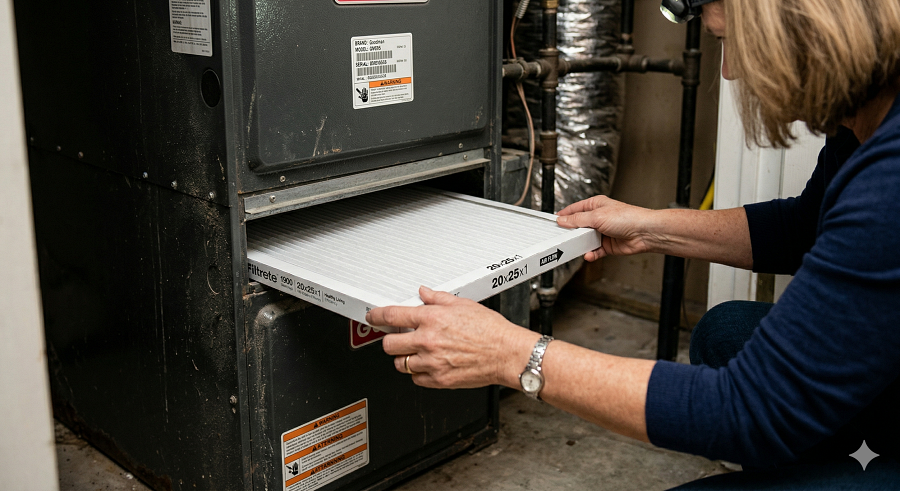
Your Heating, Ventilation, and Air Conditioning (HVAC) system is the "lung" of your home. To maintain a true "sneeze-free sanctuary," you must actively manage how that system filters the air.
The MERV Rating Battle: Upgrade Your FilterThe single most important home maintenance step is upgrading your furnace filter.
- Skip the Basics: If you are using a basic, inexpensive fiberglass filter, you are only protecting your HVAC equipment from large dust build-up, not your respiratory health.
- MERV 11 to MERV 13: This is the standard for allergy relief. Look for a high-efficiency media filter with a MERV (Minimum Efficiency Reporting Value) rating between 11 and 13. These dense filters are capable of trapping micro-allergens like pollen grains and mold spores without overtaxing your blower motor.
- The 30-Day Rule: During peak BC tree pollen months (roughly March through May), you must change your filter every single month. For the rest of the year, every 90 days is usually sufficient, but spring demands aggressive filtration.
- Run the Fan ("On" vs. "Auto"): When pollen alerts are critical, set your thermostat fan to "On" rather than "Auto." This forces the air in your home to continuously circulate and pass through your high-quality MERV filter, actively cleaning the environment rather than just reacting when the temperature changes.
- Windows Closed: While a cross-breeze feels refreshing in spring, it is just a high-volume delivery system for BC Alder, Birch, and Pine pollen. Rely on your filtered HVAC fan to provide circulation instead.
Part 5: Layer 3 Defense – The Pet Factor (Walking Sponges)
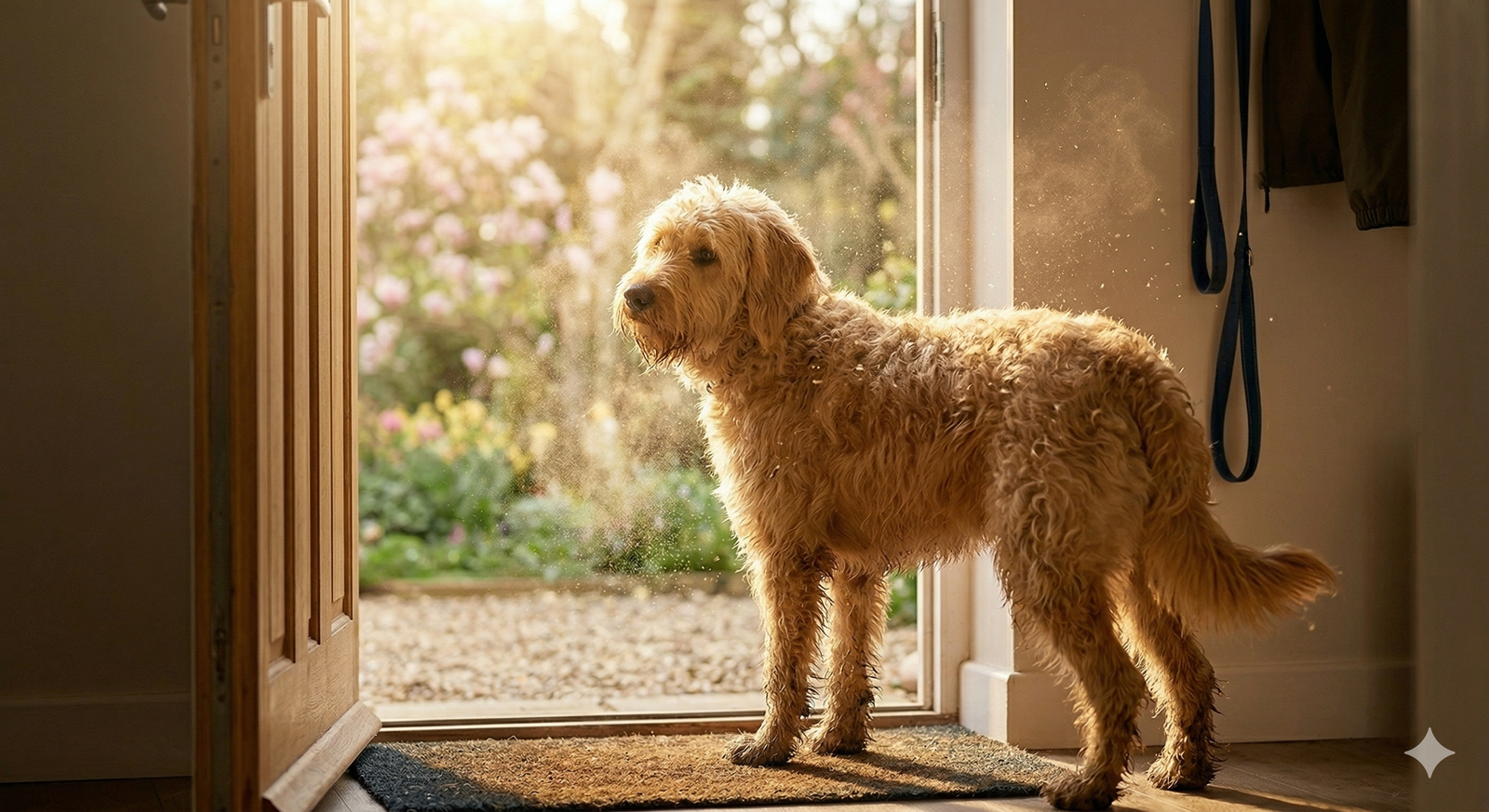
If you have allergies, your furry family members are one of your greatest indoor vulnerabilities. Pets are lower to the ground and proactively "explore" long grass and brush, acting as highly effective, traveling collectors for microscopic, sticky pollen.
The "Paws-Down" and "Undercarriage" Rule
Establish a hygiene routine at the threshold.
- Wipe at the Door: Keep fragrance-free pet wipes or a damp microfiber towel by the entrance. Before your pet crosses the threshold, wipe their paws thoroughly to prevent them from tracking pollen onto your carpets and rugs.
- Focus on the Undercarriage: For shorter dogs, the chest and stomach pick up the most grass pollen; prioritize these areas.
- Brush Outside: Do not brush your pet inside during pollen season; you are just releasing a concentrated allergen cloud directly into your living room. Do all brushing on the porch, deck, or in the yard.
- Weekly Baths: Regular bathing during high-pollen "yellow dust" weeks can significantly lower the allergen count on their fur.
- Keep Pets Off the Bed: This is the most critical rule for allergy sufferers. You cannot spend eight hours with your face against a mattress that has been coated in your dog or cat’s daytime pollen collection. Establish this rule year-round.
- Washable Throw Covers: If pets have a favorite sofa spot, cover it with a washable throw cover that you can toss in the laundry weekly to "reset" the allergen load.
Living comfortably in British Columbia during spring is possible. While you cannot control the trees and grasses outside, you have complete control over the environment inside. By understanding the timing of local pollen waves and aggressively deploying a multi-layered defense: managing your personal habits, upgrading your HVAC filtration, and proactively cleaning your pets, you can reclaim your home as a sanctuary of clean, pollen-free air and breathe easy.
Blog post by Barry Fence of the Urban Nest Real Estate Team