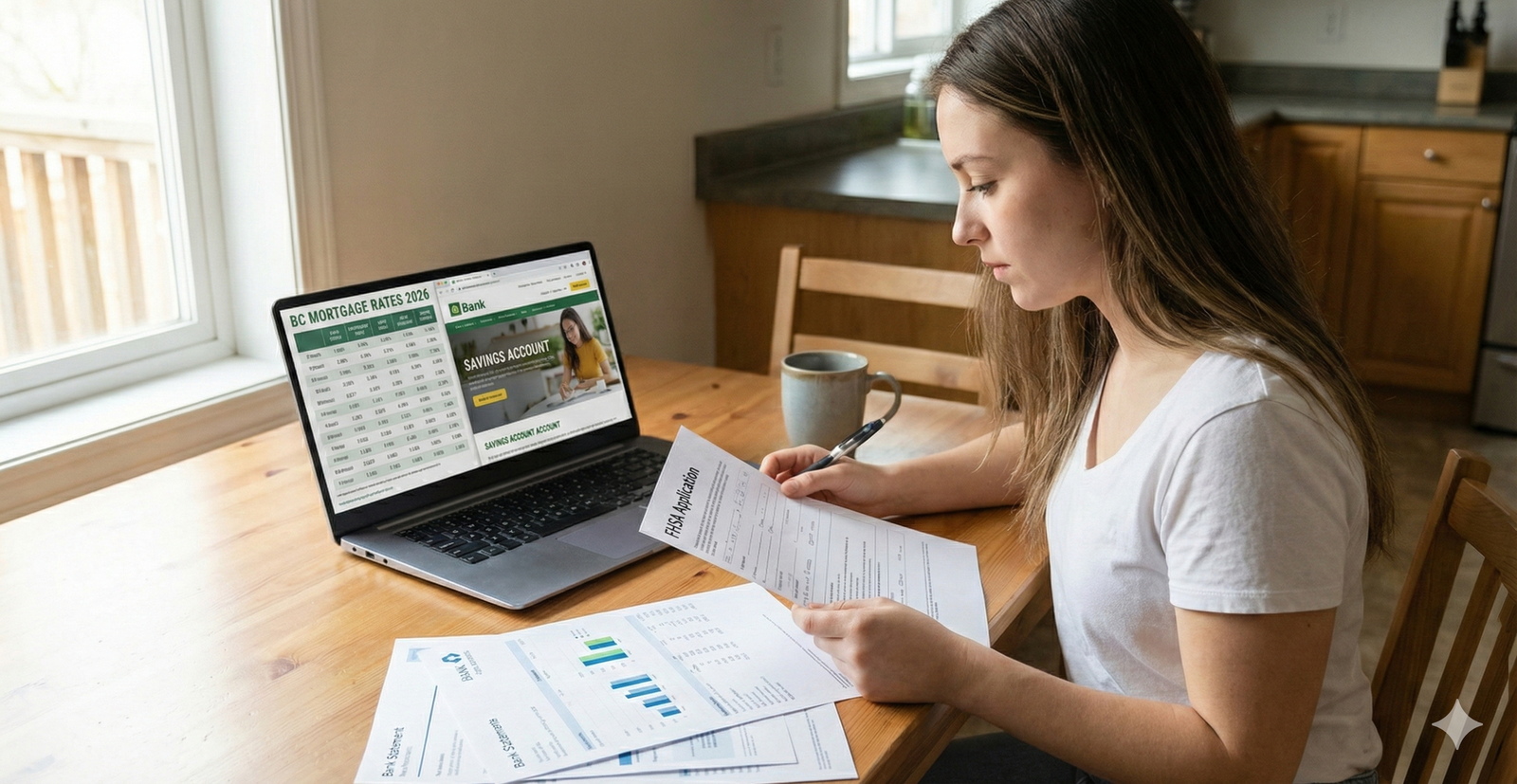
The Urban Nest Guide: Getting Your "Financial House" in Order
Part 1 of our First-Time Home Buyer SeriesSo, you’ve decided 2026 is the year you stop paying your landlord’s mortgage and start paying your own. Congratulations! It’s an exciting—and admittedly a bit daunting—milestone.At Urban Nest, we see many buyers make the mistake of starting their journey on real estate apps, scrolling through beautiful listings before they’ve checked their bank balance. While looking at houses is the fun part, the strongest foundation for a successful home purchase is built on paper.Before you book your first showing, here are the three financial pillars you need to secure.
1. The Power of the Pre-Approval (and the Rate Hold)
In the 2026 market, a pre-approval is your ticket to entry. It isn’t just a "maybe" from the bank; it’s a formal document that tells you exactly how much you can borrow based on your income, debts, and credit score. Why it matters right now:- The 120-Day Rate Hold: Interest rates can be unpredictable. A pre-approval typically "locks in" a rate for up to 120 days. If rates go up while you’re house hunting, you keep your lower rate. If they go down, you get the lower one. It’s a win-win.
- Confidence in Competition: When you find "the one," things move fast. Having your financing already vetted by a lender makes your offer much more attractive to sellers.
2. Supercharge Your Savings: The FHSA and HBP
The Canadian government has introduced and expanded several tools specifically to help you bridge the down payment gap.- The FHSA (First Home Savings Account): This is currently the most powerful tool for first-time buyers. You can contribute up to $8,000 per year, with a lifetime limit of $40,000. Your contributions are tax-deductible (like an RRSP), but your withdrawals, including any investment growth, are completely tax-free when used to buy your home.
- The HBP (Home Buyers’ Plan) Boost: As of 2026, the withdrawal limit for the HBP is $60,000. This allows you to "borrow" from your RRSP interest-free for your down payment, with 15 years to pay it back.
3. Budgeting for the "Hidden" Costs
Your down payment isn't your only expense. In British Columbia, "closing costs" and moving day logistics usually catch buyers off guard. Set aside an additional 1.5% to 3% of the purchase price for:- Inspection Fees: Expect to pay $500 - $800. It’s the best money you’ll ever spend for peace of mind.
- Legal Fees: Whether you use a Lawyer or a Notary, they handle the title transfer and mortgage registration. Budget around $1,500 - $2,500.
- Appraisal Fees: Sometimes your lender will require a professional appraisal to ensure the home is worth what you’re paying.
- Adjustment Costs: You’ll need to reimburse the seller for any property taxes or utilities they’ve pre-paid beyond the closing date.
- Moving Logistics: Don't forget the physical move! For a local move in the Lower Mainland, professional movers typically cost between $140 - $200 per hour. Depending on the size of your home, you should budget anywhere from $800 to $2,500 for the truck, labor, and supplies.
- The "Strata Move-In" Fee: If you're buying a condo, many buildings charge a non-refundable move-in fee (usually $100 - $300) to cover elevator padding and administrative time.
The Urban Nest Takeaway
Buying your first home in BC is a marathon, not a sprint. By getting your financial house in order today, you eliminate the stress of the unknown tomorrow. You’ll shop with more confidence, move faster on offers, and sleep better at night.Ready to see what your numbers look like? We have a network of trusted mortgage brokers who specialize in first-time buyer programs.
Blog post by Olga Pryce of the Urban Nest Real Estate Team